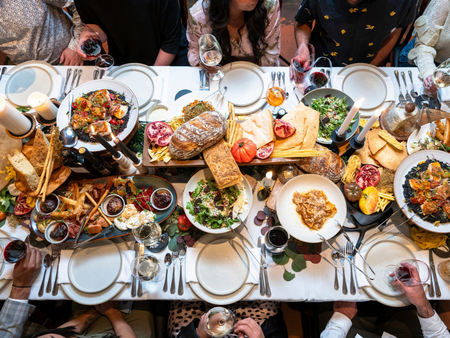


Thanksgiving can be particularly challenging for those in eating disorder recovery. Find hope, balance, and support with these gentle holiday tips.
Thanksgiving is about much more than food. It’s a time to share moments with family and friends, express gratitude for the good things in life, and celebrate the transition from autumn to winter. Despite all that Thanksgiving represents, it remains a holiday centered around food and communal meals. For people navigating eating disorder recovery, this can present real challenges that are sometimes difficult to manage.
Even with its difficulties, Thanksgiving can also be an opportunity to honor recovery. Managing your well-being on a day so focused on eating is something to be proud of - it’s a reflection of strength and self-awareness. In this piece, we’ll outline ways individuals in recovery can approach the holiday with care, and how loved ones can offer meaningful support.
At Monte Nido, we believe healing happens one choice at a time. Whether you’re early in recovery or years into the journey, this season can be a time to reconnect with gratitude, practice self-compassion, and celebrate the meaningful progress you’ve made.
Explore Eating Disorder Treatment
Key Takeaways
- Thanksgiving can bring food, body image, social, and routine-related challenges for people in eating disorder recovery.
- Maintaining regular meals and snacks rather than restricting before or after Thanksgiving can help protect recovery.
- Planning ahead with your treatment team and identifying a trusted support person can make difficult moments more manageable.
- Boundaries around diet, weight, exercise, and body conversations can help create a more recovery-supportive environment.
- If Thanksgiving leads to increasing eating disorder symptoms or significant distress, reaching out for additional professional support can help.
Why Thanksgiving Can Be Difficult in Eating Disorder Recovery
Thanksgiving can be a meaningful time of connection and gratitude—but for those navigating eating disorder recovery, it can also bring unique emotional and physical challenges. The day’s focus on food, social gatherings, and routine changes can make it harder to stay grounded in recovery habits and self-care.
Several factors often contribute to the difficulty of this holiday:
- The central role of food. Family-style meals, buffet-style, or unfamiliar dishes can heighten anxiety and trigger eating disorder thoughts.
- Social pressures. Comments like “It’s only once a year,” or “You’re not eating enough,” can feel invalidating or increase guilt.
- Diet and body talk. Conversations about calories, exercise, or “making up for the meal” reinforce harmful messages and comparison.
- Disrupted routines. Traveling, skipping meals, or eating at different times can interfere with recovery structure and stability.
- Body image triggers. Photos, social media posts, or well-meaning compliments about appearance can intensify distress.
- Perfectionism and guilt. The pressure to appear “fine” or participate fully can conflict with the need for rest or boundaries.
It’s completely normal to feel tension in these moments. They don’t erase progress or reflect failure—they simply remind you that recovery requires care, planning, and compassion, especially during high-pressure events.
Acknowledging these challenges ahead of time allows you to prepare supportive strategies, create space for your needs, and approach the day with compassion rather than criticism.
{{understanding-eating-disorders-and-recovery="/cta-buttons"}}
Preparing for Thanksgiving: Planning and Support
The best way to approach Thanksgiving in recovery is to make a plan—and communicate that plan with your treatment team or trusted support system.
It can also help to identify a “support person” who understands your recovery and can offer reassurance, step outside with you, or help redirect conversation if needed.
Finally, set an intention for what you want to focus on besides food—connection, laughter, gratitude, or simply being present. Having something emotionally grounding to come back to can help you navigate moments of discomfort.
Make a plan – and stick to it!
After completing an eating disorder treatment program, you likely have a meal plan designed to support your ongoing recovery. Talk with your dietitian or therapist ahead of time so you can approach the day feeling prepared and supported.
Your eating disorder might urge you to “save up” or restrict beforehand, but that approach can disrupt both your physical and emotional balance. Sticking to your regular meal plan before, during, and after the holiday is the best way to maintain stability and care for yourself. You can also plan ahead for potential moments of distress, such as critical or judgmental comments from family members, so you have a clear strategy for protecting your peace.
Build your support system.
It takes courage to share your recovery journey with others. While your immediate family may have been involved in therapy or treatment sessions, extended relatives might not fully understand what you are navigating. If you feel ready, consider explaining your recovery and how loved ones can best support you during the holiday. You can even share resources or tips to help them respond with empathy and compassion.
If those conversations feel too difficult, identify someone you trust such as a friend, sibling, or partner who can be your support person during the day. They can help you exit triggering conversations, take a break, or simply offer quiet reassurance when you need it most.
Stay away from weight-loss sites and social media.
This is helpful advice any time of year, but especially around the holidays. In the days leading up to and following Thanksgiving, social media often becomes saturated with messages about dieting, “making up for” the big meal, or “getting back on track.” These narratives can be harmful, particularly in recovery.
Instead of engaging with that content, unfollow or mute accounts that promote guilt or restriction. Focus instead on enjoying the connection, conversation, and warmth of the day. Recovery means celebrating food as nourishment, not something to earn or compensate for.
Prepare your coping techniques.
Thanksgiving, like many holidays, can bring stress and sensory overload. Beyond the food itself, family dynamics, travel, and expectations can all be emotionally demanding. That is why it helps to have your coping strategies ready in advance.
If you begin to feel overwhelmed, step outside for a moment of calm, practice mindful breathing, journal, or read a few pages of a favorite book. Even small grounding moments can help you reset and reconnect to your recovery goals. Remember, self-care is not avoidance; it is an act of strength and self-awareness.
Before Thanksgiving: Make a Recovery Plan
Planning ahead can reduce some of the uncertainty that comes with Thanksgiving. Instead of waiting until a difficult moment arises, consider what you may need to feel supported before, during, and after the holiday.
Your Thanksgiving recovery plan might include:
- Talk with your treatment team. Discuss the holiday with your therapist, dietitian, or other providers and identify situations that may be particularly challenging.
- Maintain your meal and snack schedule. Plan how you will continue the structure recommended by your treatment team rather than restricting in anticipation of Thanksgiving dinner.
- Identify a support person. Choose someone you trust who can check in with you, redirect triggering conversations, or step away with you if needed.
- Discuss challenging foods or situations. If certain foods, buffet-style meals, photographs, or family traditions feel particularly difficult, work through them ahead of time.
- Establish your boundaries. Decide how you want to respond to comments about food, weight, bodies, dieting, or exercise.
- Plan for travel. If you will be away from home, consider how transportation, accommodations, and schedule changes could affect your recovery routine.
- Find a place to take a break. Identify somewhere you can go if you need a few quiet minutes during the gathering.
- Know how to reach support. Keep your support system accessible if eating disorder thoughts or emotions become difficult to manage.
A plan cannot eliminate every unexpected challenge, but it can give you strategies to return to when the day feels overwhelming.
If You're Traveling for Thanksgiving
Travel can add another layer of unpredictability to Thanksgiving. Airports, road trips, unfamiliar kitchens, schedule changes, and overnight stays can disrupt the routines that help support eating disorder recovery.
Before leaving home, think through how you will maintain your recovery needs throughout the trip.
Consider:
- Planning around your regular meals and snacks. Travel time does not eliminate your body's need for consistent nourishment. Think ahead about when and where you will eat.
- Packing appropriate foods or snacks. When it aligns with your treatment plan, having food available can help you maintain structure during long drives, flights, delays, or other disruptions.
- Researching travel logistics. Knowing what food options are available at airports, rest stops, or your destination can reduce uncertainty.
- Protecting sleep and downtime. Travel and family gatherings can be tiring. Make space for rest when possible.
- Bringing medications and treatment-related materials. Pack anything you regularly use to support your physical or mental health.
- Identifying support before you leave. Let a trusted person know what might be difficult and how they can help.
- Knowing when to ask for help. If changes in routine begin affecting your recovery, reach out rather than trying to manage everything alone.
You do not need to abandon your recovery routines simply because you are away from home. Planning for your needs is one way to prioritize your well-being while still participating in holiday travel.
During the Meal: Mindful Eating and Boundaries
When it’s time to eat, approach the meal with mindfulness. Slow down, breathe between bites, and listen to your body’s cues for hunger and fullness. Remind yourself that there are no good or bad foods in recovery. Every item on the table is simply nourishment and tradition.
If conversations drift into body talk or diet chatter, it’s okay to step away or redirect. You can say, “I’m trying to focus on enjoying the day—can we talk about something else?” Boundaries protect your peace.
Engage in the non-food aspects of the day—talk with loved ones, play a game, share gratitude, or take a post-meal walk if it feels supportive.
Remember that all foods are good foods.
Your eating disorder might tell you that some foods are “bad.” It might suggest that it is acceptable to have turkey as long as you skip the pumpkin pie. Try not to listen to that voice. All foods are good foods, and you do not need to negotiate with yourself about what you can or cannot eat. Intuitive eating is an important part of recovery throughout the year, but it can be especially meaningful during the holidays.
Remind yourself that you are allowed to enjoy all foods. Prepare a few affirmations ahead of time to help you stay grounded in that truth and to remind yourself that nourishment is not something you have to earn.
Embrace the spirit of Thanksgiving.
For many people, the meal may feel like the centerpiece of the holiday. However, the true spirit of Thanksgiving is one of gratitude, connection, and reflection. Taking time to focus on what you are thankful for can shift attention away from food and help you reconnect with your recovery progress.
Reflect on how far you have come and the positive changes you have made since beginning your healing journey. Gratitude can serve as a powerful anchor, reminding you that recovery is not about perfection but about presence, compassion, and growth.
What to Say If Someone Makes a Diet or Body Comment
Even when you prepare ahead of time, you may encounter comments about calories, weight, exercise, portion sizes, or "making up for" Thanksgiving dinner. These conversations can be triggering, but you are not obligated to participate in them.
If someone says, "I'm going to have to work this off tomorrow," you might respond:
- "I'd rather not talk about calories or exercise today."
- "Can we talk about something else?"
- "I'm trying to keep food and body talk out of today."
You can use similar responses when someone comments on your own food or body:
- "I'd rather not discuss what I'm eating."
- "I'm working on keeping food neutral."
- "I'd prefer not to talk about my body."
- "Let's change the subject."
You can also choose not to respond at all. Stepping away, turning to your support person, or redirecting the conversation is a valid boundary.
It can help to practice one or two responses before Thanksgiving so you do not have to figure out what to say in the moment. Your boundary does not need to convince someone else that diet or body talk is harmful. Its purpose is to protect your recovery.
After-Thanksgiving: Recovery Check-In
When the holiday ends, it’s important to take a moment to check in with yourself. Reflection helps transform a challenging day into an opportunity for growth and self-understanding.
Ask yourself: What felt grounding? What moments stretched you? What would you like to handle differently next time? Journaling or sharing your thoughts with a therapist or trusted support can help you process these experiences compassionately.
To gently re-center after the holiday, try:
- Returning to routine. Resume your regular meal plan and self-care schedule without restriction or over-exercise.
- Practicing mindfulness. Take a few minutes to breathe, journal, or stretch as you reconnect with your body.
- Engaging in nourishment. Prepare meals that help you feel steady and cared for.
- Connecting with support. Reach out to your therapist, recovery community, or loved one to share how you’re feeling.
- Using self-compassion. Remind yourself that recovery is not about perfection—it’s about persistence and patience.
If feelings of shame, anxiety, or guilt surface, know they’re temporary. Acknowledge your effort, honor your courage, and remember that every step forward—no matter how small—is part of recovery.
When Family or Friends Aren't Supportive
Not every Thanksgiving gathering will provide the supportive environment you need. Some relatives may not understand eating disorders, while others may continue making diet or body comments even after you have asked them to stop.
If someone dismisses your recovery needs, you do not have to repeatedly explain or defend them. Instead, consider what is within your control.
You might:
- Set a direct boundary. Let people know which conversations or comments you will not participate in.
- Ask an ally to intervene. A trusted friend or relative can redirect conversations so you do not always have to do it yourself.
- Limit your time at the gathering. Arriving later or leaving earlier may be appropriate if a long event feels overwhelming.
- Take breaks when needed. Step into another room, go outside, or contact someone in your support system.
- Keep your recovery private if you choose. You do not owe relatives details about your eating disorder or treatment.
- Make alternative plans. If a gathering feels emotionally unsafe or seriously threatens your recovery, you can consider celebrating somewhere else or creating a different tradition.
Protecting your recovery is not disrespectful. You can care about family relationships while still recognizing that some environments or conversations are not supportive of your well-being.
For Loved Ones: How to Support Someone with an Eating Disorder at Thanksgiving
If you are spending Thanksgiving with someone in recovery from an eating disorder, you are likely a close friend or family member who wants them to feel comfortable and supported. You may also be unsure how to navigate a holiday that can bring up difficult emotions and food-related stress.
Thanksgiving is often centered around food, appearance, and comparison, which can make the day especially challenging for someone in recovery. By approaching the day with empathy, awareness, and intentional communication, you can help your loved one feel safe, included, and cared for. Below are some ways to offer support and foster a more compassionate holiday environment.
Let them know you’re here for them.
Connection and reassurance go a long way. Consider checking in with your loved one early in the day to let them know you are available to talk, take a break together, or help redirect uncomfortable conversations if needed.
You do not have to have all the answers; sometimes, simply being present is enough. If you notice them looking uneasy or withdrawn, they may be feeling triggered or judged. In those moments, gently shifting the topic, inviting them outside for fresh air, or offering quiet reassurance can make a meaningful difference.
Don’t mention their weight or health.
As a general rule, avoid commenting on anyone’s body, health, or appearance. Even compliments such as “You look so healthy” can unintentionally trigger anxiety or intrusive thoughts about weight changes.
Recovery often involves physical changes, and drawing attention to those can feel uncomfortable or distressing. Focus instead on qualities unrelated to appearance, such as how nice it is to see them or how much you enjoy spending time together.
Don’t mention YOUR weight or health.
During Thanksgiving, comments like “I’ll have to work this off tomorrow” or “I shouldn’t eat this, but…” often come up in casual conversation. While these may seem harmless, they can reinforce diet culture and trigger disordered thoughts for someone in recovery.
Try to steer the conversation away from dieting, calories, or exercise. Redirect the focus toward gratitude, connection, and shared memories. Ask about people’s plans for the season, favorite traditions, or simple joys that bring lightness to the day.
Engage your empathy.
Supporting a loved one in recovery begins with understanding. Take time to learn about eating disorders, what recovery involves, and why food-centered holidays can be difficult.
By putting yourself in your loved one’s shoes, you gain insight into their experience and become better equipped to offer compassion, patience, and emotional safety. A little empathy can go a long way toward helping them feel seen and supported.
Don’t press the issue.
If your loved one seems anxious or uncomfortable at the table, avoid calling attention to them or offering public reassurance. Instead of saying, “You’re doing great,” in front of others, quietly check in with them one-on-one.
A simple “Are you doing okay?” allows them to share honestly and seek a moment away if needed. Respect their boundaries, and remember that support often means holding space without pressure.
Enjoy your time together.
One of the most supportive things you can do is treat your loved one the same way you normally would. Overemphasizing their recovery or tiptoeing around the subject can make them feel more self-conscious.
Keep the focus on connection, conversation, and shared gratitude. Talk about family stories, play games, or watch a favorite show together. Your warmth and presence remind them that they are valued for who they are—not for what they eat or how they look.
{{helping-a-loved-one-through-eating-disorder-recovery="/cta-buttons"}}
Creating New Traditions Beyond Food
Thanksgiving can be about far more than the meal itself. Creating new traditions that emphasize connection over consumption can bring meaning and joy back into the day.
You might start a gratitude circle, share what everyone’s thankful for, or take a nature walk together. Play board games, volunteer as a group, or enjoy an afternoon movie.
These small shifts reframe the holiday around presence, not pressure. When you focus on relationships, laughter, and gratitude, food becomes one part of a larger, more fulfilling experience.
Recovery invites you to redefine what celebration looks like—and Thanksgiving is the perfect place to start.
When to Seek Additional Support
Holidays can temporarily increase stress, but a significant or ongoing increase in eating disorder symptoms may indicate that additional professional support is needed.
Consider reaching out to your treatment team or an eating disorder professional if you notice:
- Increasing food restriction
- More frequent binge-eating or purging behaviors
- Compulsive exercise or attempts to compensate for eating
- Significant anxiety or distress before, during, or after meals
- Increasing isolation or avoiding activities because food is involved
- Difficulty returning to your regular recovery routine after Thanksgiving
- Physical symptoms such as fainting, severe dizziness, weakness, or other concerning changes
You do not need to wait until symptoms become severe before asking for help. Reaching out when you notice old behaviors or thought patterns returning can help you identify what support may be appropriate.
If you are experiencing suicidal thoughts, an immediate safety concern, or a medical emergency, seek immediate assistance. In the United States, you can call or text 988 to reach the Suicide & Crisis Lifeline, or call 911 or go to the nearest emergency department when emergency medical care is needed.
Recovery Is Possible Even During the Holidays
Eating disorders are complex and emotionally challenging conditions that can make any eating situation feel overwhelming, especially during a holiday like Thanksgiving when food takes center stage. It is natural for this time of year to bring mixed emotions, but it can also be a reminder of how far you have come and how much strength you continue to show in recovery.
Try to focus on what truly matters: gratitude, connection, and the joy of being present with the people you care about.
And if you’re struggling, remember also that help is available. Recovery isn’t always easy, but it is worth it.
Explore Monte Nido's eating disorder treatment programs