

Halloween can be both exciting and challenging. Between costumes, parties, and treats, it’s a time of creativity and fun, but it can also bring discomfort for those in eating disorder recovery. Food-centered gatherings, body comparisons, and social pressures can create anxiety or self-doubt.
If you find this season triggering, you’re not alone. Understanding why Halloween can feel difficult and learning practical ways to protect your recovery can help you approach the holiday with mindfulness, confidence, and compassion.
Key Takeaways
- Halloween can bring unique challenges during eating disorder recovery, including food-centered events, body image concerns, and social pressure.
- You don't need to avoid Halloween—or force yourself to participate—in order to protect your recovery.
- Planning ahead for meals, costumes, social situations, and potential triggers can make celebrations feel more manageable.
- Candy and Halloween treats do not need to be earned, compensated for, or avoided during recovery.
- Support from a treatment team, loved ones, or trusted friends can help you navigate difficult moments.
The Unique Challenges of Halloween & Body Image
Halloween often brings an unspoken and sometimes even spoken focus on appearance. Costumes can highlight body image insecurities, while social media showcases picture perfect parties that can make anyone feel inadequate. Dressing rooms, mirrors, and the pressure to alter a costume can heighten self-scrutiny.
Food-centered events add another layer of complexity. Candy bowls at work, themed desserts at parties, and casual “indulge or resist” conversations can all be triggering. Even lighthearted comments about appearance or food can feel distressing when you’re working toward body neutrality or acceptance.
Recognizing these challenges is the first step toward navigating the holiday in a way that supports your recovery. With preparation, support, and self-awareness, Halloween can become a practice in resilience rather than restriction.
Know Your Eating Disorder Triggers
Awareness is an essential part of relapse prevention. Emotional triggers may include guilt, shame, or anxiety. Behavioral warning signs might involve skipping meals, calorie counting, or over-exercising. External factors like certain foods, mirrors, or peer comments can also resurface old patterns.
Identify your triggers early and have a plan in place. Know which coping skills help most, what boundaries you may need, and who you can reach out to for support. Recovery isn’t about avoiding all challenges, it’s about recognizing when you need to pause and care for yourself.
For more information on recognizing and managing triggers, visit this Monte Nido resource on relapse triggers.
{{concerned-about-your-relationship-with-food="/cta-buttons"}}
Navigating Halloween Candy and Food in Eating Disorder Recovery
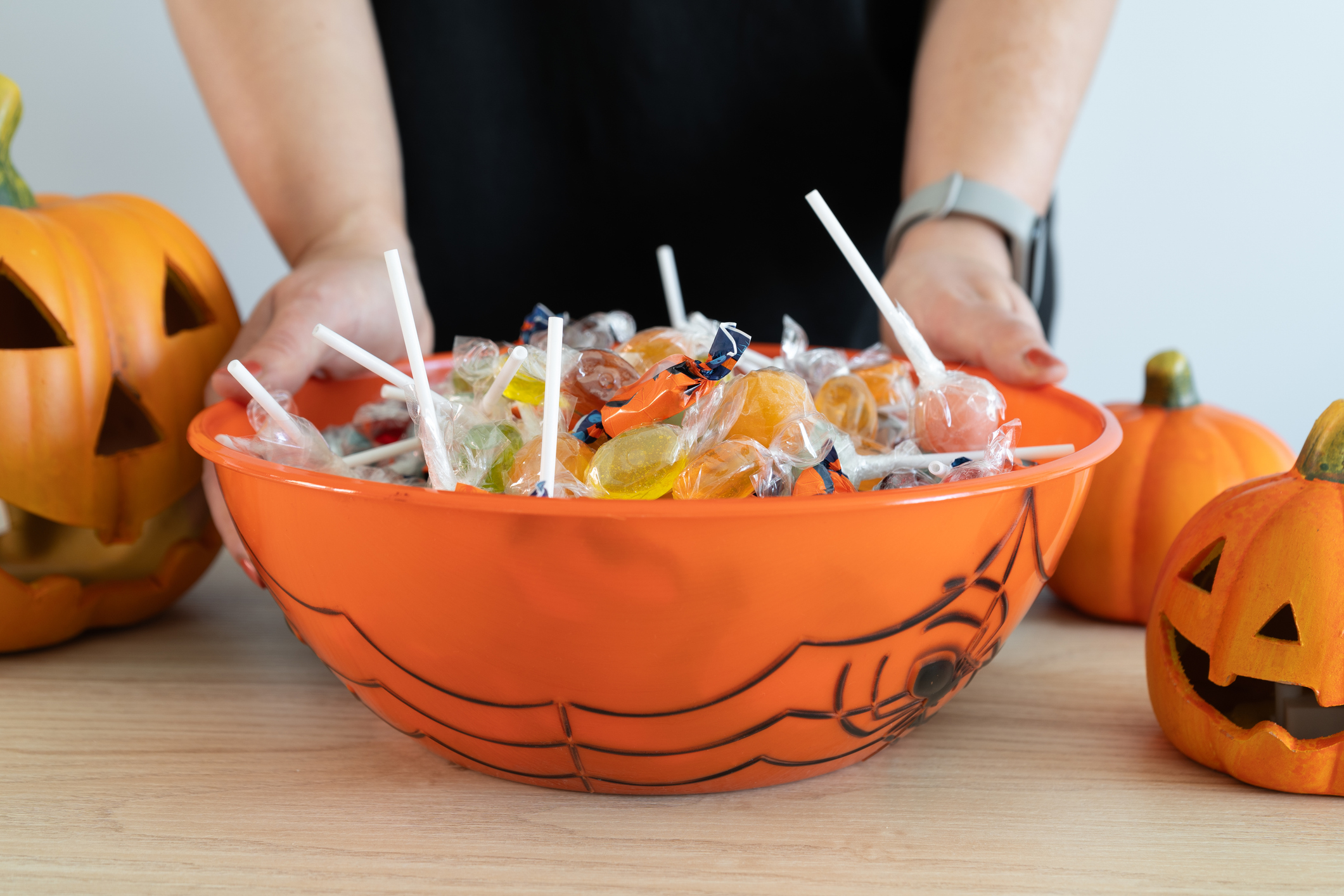
Candy and sweets are part of Halloween’s charm, and they don’t need to feel off limits. It is essential to be mindful. You can follow this mindful technique: Sit down when eating, take a small bite, and notice the flavor, texture, and sweetness without judgment.
You Don't Need to Earn Halloween Treats
Halloween candy does not need to be earned through exercise, restriction, or other behaviors. In recovery, giving yourself permission to eat enjoyable foods can be an important part of challenging rules that assign moral value to what or how much you eat.
You may hear comments around Halloween about needing to "work off" candy, save calories for a party, or compensate the next day. These messages can reinforce eating disorder thoughts, even when they are presented casually or as jokes.
Instead, try returning to the structure and strategies you have developed in recovery. That might mean:
- Continuing to eat regular meals and snacks
- Including Halloween candy or desserts without labeling them as "good" or "bad"
- Challenging the idea that movement should compensate for food
- Reminding yourself that enjoying a treat does not require justification
- Reaching out to your treatment team if particular foods bring up significant anxiety
Eating consistently throughout Halloween is not something you need to make up for later. Your body needs nourishment every day, including holidays.
Avoiding the Restrict-and-Compensate Cycle
If guilt or fear arises, remind yourself that all foods can fit into recovery. Candy is not “bad” or “good” it’s simply food and food has not done anything to deserve morals. It will be essential to consume regular meals and snacks throughout the day to help prevent the restrict-and-binge cycle that can feel overwhelming during any holiday.
If certain foods are too triggering, work with your treatment team to approach them gradually. Progress, not perfection, is what needs to be the focus
Handling Food Comments at Halloween Events
Food-focused comments can be difficult to avoid during Halloween. Someone might talk about how much they ate, announce that they are "being bad" for having candy, discuss calories, or joke about exercising to compensate for treats.
You cannot always control what other people say, but you can decide how you respond. Depending on the situation, you might:
- Change the subject
- Step away from the conversation
- Ask directly to avoid diet or weight-related talk
- Check in with a supportive friend
- Use a grounding or coping skill
- Remind yourself that someone else's food rules do not need to become yours
You also do not owe anyone an explanation for what is on your plate. If someone comments on what or how much you are eating, a simple response such as, "I'd rather not talk about my food," can establish a clear boundary.
Planning a few responses ahead of time can make it easier to protect your recovery when unexpected comments arise.
Managing Halloween Parties and Social Events in Recovery
Halloween parties can combine several potential eating disorder triggers at once, including unfamiliar foods, changes in routine, costumes, photographs, and conversations about bodies or eating. Planning ahead can make these situations feel more manageable without requiring you to avoid them altogether.
Whenever possible, maintain your normal meal and snack schedule rather than restricting beforehand to prepare for party food. Your treatment team can help you determine how food at an event fits into your individual meal plan or recovery goals.
Other strategies may include:
- Bring a supportive person. Attend with someone who understands your recovery and can offer support if you become overwhelmed.
- Identify a safe person. Know who you can text, call, or approach during the event if eating disorder thoughts become louder.
- Have an exit plan. Give yourself permission to leave early if remaining at the event no longer feels supportive.
- Prepare for food or body talk. Practice changing the subject, setting a boundary, or stepping away from triggering conversations.
- Take breaks. Find a quieter space, step outside, or use a grounding technique when you need a few minutes to reset.
- Maintain your recovery routines. Continue medications, therapy appointments, meals, snacks, rest, and other parts of your treatment plan as directed.
Recovery does not require choosing between participating in every Halloween activity and avoiding the holiday completely. You can decide which celebrations feel appropriate for where you are in recovery and make adjustments that support your needs.
{{eating-disorder-treatment-support="/cta-buttons"}}
Costume Strategy & Body-Positive Ideas
Choosing a costume should feel creative and comfortable, not stressful. Start with what feels good on your body: soft fabrics, layers, or designs that reflect your personality rather than emphasizing shape or size.
If shopping or trying on costumes is triggering, consider doing it at home or with a supportive friend. Modify costumes as needed by adding a favorite accessory, changing textures, or wearing something you already feel confident in. Bringing this into a therapy session would also be helpful
Shift the focus from how you look to how you feel. A costume that helps you feel at ease will allow you to be more present and enjoy the celebration fully.
Social Media & Comparison: Protecting Your Mindset
Halloween can bring a flood of social media posts, videos that often trigger comparison. It’s easy to forget that these photos are curated snapshots, not the full picture.
This season, protect your mindset by changing your social media algorithm or mute accounts that trigger comparison, and seek content that supports recovery or promotes body neutrality. Set limits on scrolling and remind yourself that your worth is not determined by likes or photos.
Keep your focus on what recovery means to you, not what social media presents. For more insights, explore Monte Nido’s guide to social media and eating disorders.
Communicating Boundaries & Enlisting Support
Setting boundaries helps create a sense of safety during the holidays. Talk with friends or family ahead of time about what feels supportive and what doesn’t. You might ask them to avoid food or body talk, or to help redirect conversations if they become uncomfortable.
Having a trusted ally during social events can make a big difference. A simple agreement like, “If I look overwhelmed, help me step outside for a break,” or come up with a code word or hand gesture to signal you need support. These options can help you stay grounded.
Boundaries are not barriers, they’re a way of protecting your well-being and keeping your recovery a priority.
After-Halloween Self-Check & Recalibration
After the celebrations, take a moment to reflect. What felt good? What was challenging? What did you learn? This kind of self-assessment helps you prepare for future events with more awareness.
If you felt triggered, offer yourself grace, one holiday doesn’t define your progress. Reconnect with your structure: meals, joyful movement, therapy, and rest. Journaling or sharing reflections with your treatment team can help you process emotions and reaffirm your goals.
How Loved Ones Can Support Eating Disorder Recovery on Halloween
Friends and family members can help make Halloween feel safer by reducing food and body commentary and asking what kind of support the person actually wants.
One of the most helpful approaches is to avoid making assumptions about what recovery should look like. Instead, follow the guidance of your loved one and their treatment team when appropriate.
You can support someone by:
- Avoiding comments about bodies. This includes compliments about weight loss, weight gain, costumes being "slimming," or other appearance-based observations.
- Keeping food neutral. Avoid labeling candy or desserts as "bad," "unhealthy," a "guilty pleasure," or something that needs to be earned.
- Not encouraging restriction. Don't suggest skipping meals or eating less earlier in the day because there will be food at a Halloween event.
- Avoiding praise for eating less. Comments about someone's portion or food choices can reinforce eating disorder thoughts.
- Supporting regular meals and snacks. Help make it possible for your loved one to maintain the structure recommended by their treatment team.
- Asking what would help. Different people need different types of support, so give your loved one the opportunity to tell you.
- Being available for a check-in. A text, call, or quiet conversation during an event can provide reassurance when things feel difficult.
- Redirecting triggering conversations. If other people begin discussing diets, calories, weight, or compensatory exercise, help shift the conversation elsewhere.
Support does not mean monitoring everything someone eats or trying to manage their recovery for them. Often, being a consistent, nonjudgmental presence and helping create an environment with less diet and body talk can make a meaningful difference.
{{support-for-families-and-loved-ones="/cta-buttons"}}
Mindset Shifts for Recovery During Halloween
Halloween offers opportunities to practice flexibility and self-compassion. Try reframing candy or party foods as part of a balanced life rather than something to fear.
Celebrate small recovery moments like setting a boundary, attending an event, or simply showing up with self-awareness. Recovery is not about perfection; it’s about continuing to choose yourself, even on hard days.
Holidays are one moment in time. What matters most is how you care for yourself before, during, and after them.
When Halloween Feels Too Overwhelming
It’s okay if this year you need to do things differently. Skipping or modifying celebrations can be an act of self-care, not avoidance.
Consider alternative ways to enjoy the season: watch a favorite spooky movie, carve pumpkins, decorate, or volunteer. Limit exposure to triggering environments and plan downtime around events. Listening to your needs is one of the most powerful ways to honor your recovery.
{{explore-eating-disorder-treatment-programs="/cta-buttons"}}
Additional Resources & Support
Monte Nido offers resources on body image, holidays, and recovery support. Other helpful tools include Body Kindness by Rebecca Scritchfield and the Recovery Record app for mindful tracking.
If you’re feeling overwhelmed, reach out to your treatment team or someone you trust. You do not have to navigate these challenges alone. Support and connection are key parts of recovery.
Celebrate Halloween Safely, Compassionately, Mindfully
Halloween can absolutely be navigated in recovery. With thoughtful planning, self-compassion, and support, you can enjoy the creativity and connection the holiday offers while maintaining your well-being.
Remember: no single day defines your recovery. Progress is built through patience, flexibility, and care. If you or someone you know needs help, Monte Nido is here to provide guidance and support every step of the way.
And P.S. Your body deserves respect, not repayment. You never have to earn or burn your treats. When you hear, “I’ll have to run this Reese’s off in the morning,” remember, that’s diet culture talking, not truth. Choose compassion instead of compensation. That’s real recovery.
{{talk-with-our-admissions-team-2="/cta-buttons"}}